

Obst und Gemüse für Hunde
8 types of fruit and vegetables for a healthy dog life

A healthy life for our four-legged friends means not only regular exercise and love, but also a balanced diet. In addition to high-quality meat and important nutrients, different types of fruit and vegetables also play an important role in a dog’s diet. In this article, we present five types of fruit and vegetables that are not only delicious, but also rich in vitamins, minerals and fibre.

Pears: vitamin bombs for dogs

Pears are an excellent source of vitamins and also contain important minerals such as potassium. They are also rich in fibre, which can aid your dog’s digestion. They are also a good source of energy. However, make sure to feed pears in moderation and remove the seeds, as these can be harmful to dogs.

Apples: crunchy and healthy

Apples are not only a crunchy snack for in between meals, but also a healthy one. They contain vitamins such as vitamin A and C as well as fibre and are low in protein and fat, making them an ideal snack for overweight dogs. Again, the seeds should be removed as they can contain cyanide.

Parsnips: The root for well-being

Parsnips are an often underestimated vegetable, but they offer many health benefits for dogs. They are rich in fibre and contain important vitamins such as folic acid as well as minerals such as potassium and magnesium. Parsnips can be fed raw or cooked and support your dog’s digestion and heart health.

Mandarins: vitamins for a strong immune system

Mandarins are not only delicious, but also an excellent source of vitamins that can strengthen your dog’s immune system. They also contain antioxidants and are low in calories. It is important to feed mandarins in small quantities, as they contain fruit acids that are not ideal in larger quantities.

Beetroot: a colourful source of nutrients

Beetroot is a true superfood that is rich in vitamins (A, B and C), minerals (such as potassium, magnesium and iron) and antioxidants. It promotes blood health and can improve coat and skin health when fed regularly. However, due to the high oxalate content, beetroot should only be fed in moderation.

Cucumbers: refreshing snack with few calories

Cucumbers are an ideal snack for dogs, especially on hot days. They consist mainly of water, which makes them a great way to increase your dog’s fluid intake. They also contain important nutrients such as vitamin K and C and are very low in calories. Cucumbers can help manage your dog’s weight while promoting hydration.

Broccoli: Powerful in vitamins and minerals

Broccoli is a powerhouse of nutrients and offers a variety of health benefits. It is rich in vitamins (A and K), minerals such as calcium and iron and fibre. Broccoli supports the immune system and can help prevent cancer. However, broccoli should only be fed in small quantities as it contains isothiocyanates, which can lead to gastrointestinal problems if consumed in excess. When cooked, it is easier to digest and safer for dogs.

Carrots: Versatile source of vitamins

Carrots are an excellent snack for dogs, rich in beta-carotene, which is converted into vitamin A in the body. They not only support eye health, but also contribute to a healthy coat and strong skin. Carrots are also good for oral health, as chewing on carrots can massage the gums. Whether raw or cooked, carrots are a healthy and tasty addition to a dog’s diet.

Many types of fruit and vegetables are a valuable addition to the diet of dogs, only around 70% of which are carnivores, and they contribute to their health and well-being. However, it is important to consider individual tolerance and the right amount.
Julia Welz – Orthopädie- & Rehatechnik für Tiere
Julia Welz - Orthopaedic & rehabilitation technology for animals

We are delighted to have Julia Welz, owner of Tier Agil Orthopädie- & Rehatechnik für Tiere from Sunder, as a guest contributor. Enjoy reading!

My name is Julia Welz, I am a graduate engineer and master craftswoman for orthopaedic and rehabilitation technology. After an apprenticeship as an orthopaedic and rehabilitation technician, I completed my A-levels and then went on to study orthopaedic and rehabilitation technology at the TH Giessen. During my studies, I took my master craftsman’s examination at the Federal College for Orthopaedic and Rehabilitation Technology in Dortmund.

Even as a child, I wanted to learn exactly this profession and have never regretted it. Because it’s nice to be able to help people with physical problems so that they can cope better with their everyday lives again.

For this reason, I wanted to make it my mission to help animals with physical problems and thus make their everyday lives easier and alleviate pain.

Julia Welz - A passionate dog owner

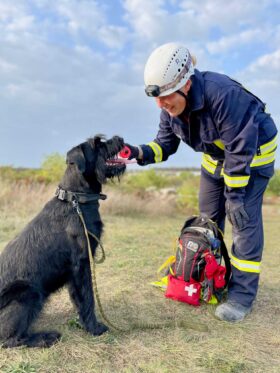
Since rescue dog work is physically and mentally demanding work for people and dogs, I support my dogs with the products from DOG FIT by PreThis®. Because of the exertion during training or competition, not all nutrients are always adequately covered by normal food.

Of course, they also receive appropriate physiotherapy as well as strength and conditioning training.

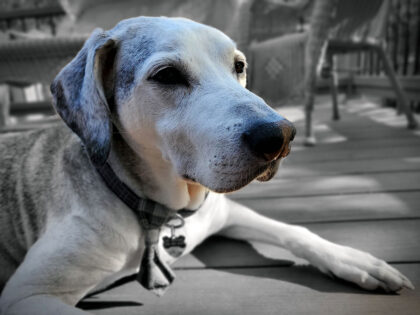
I also support my older dog, who is 13 years old, to cushion the minor “signs of age” and to keep her as muscular and cognitively fit as possible.

Julia Welz orthopaedic and rehabilitation aids for animals

A passionate dog owner

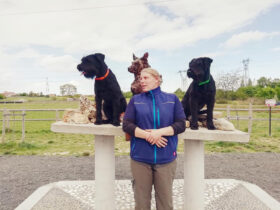
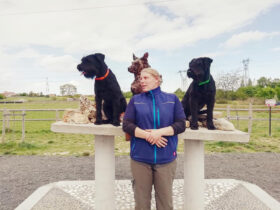
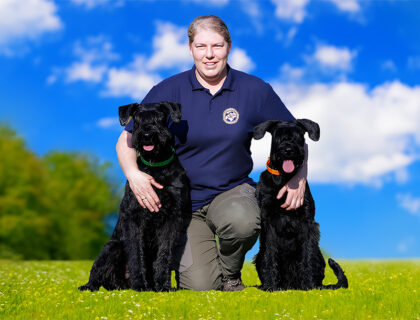
I own 2 Giant Schnauzers myself and do dog sports with both of them (agility and eventing for working dogs as well as rescue dog work).

Both are nationally tested in area search and rubble search, Xara also has the International Mission Readiness Test (MRT) with the IRO (International Rescue Dog Organisation), where I am also active as a trainer and have successfully participated in the World Championship for Rescue Dogs several times. The best results were 10th place with Hexe and 2nd place with Xara in the area search.

Prosthesis for dogs

Back to my profession…

Why orthopaedic and rehabilitation aids for animals?
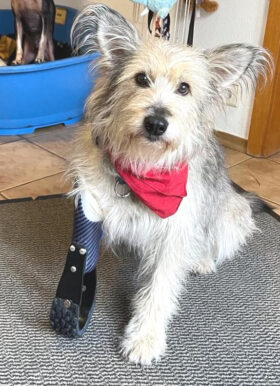
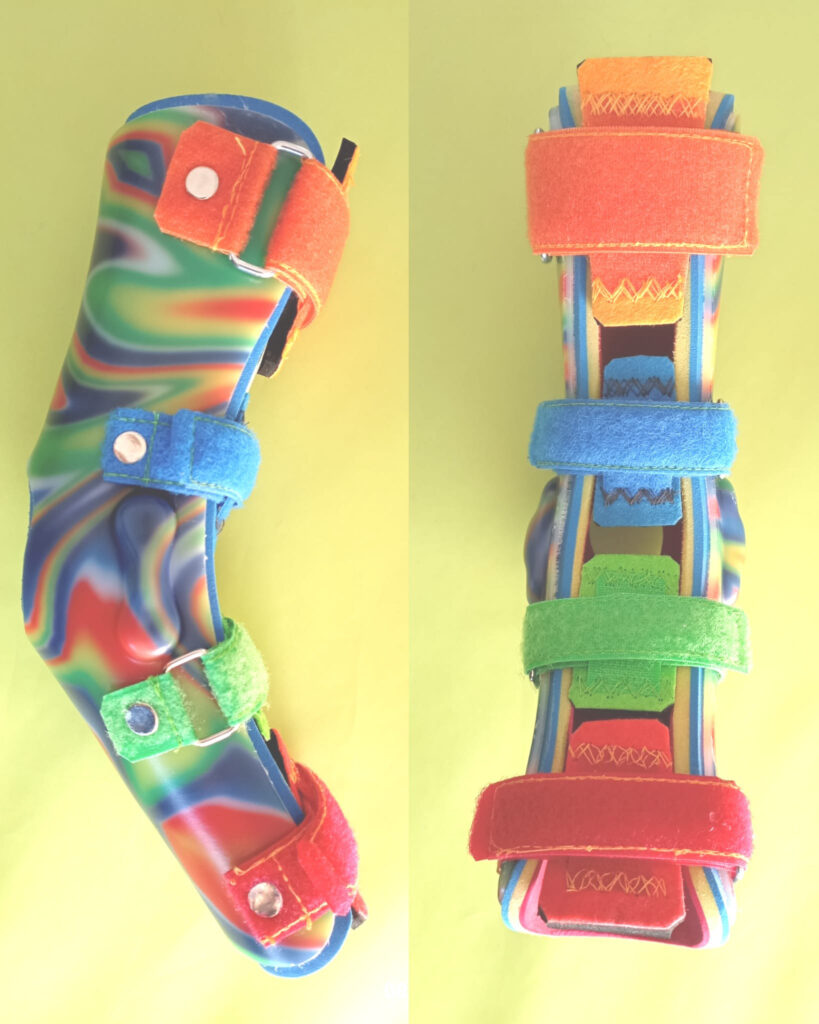
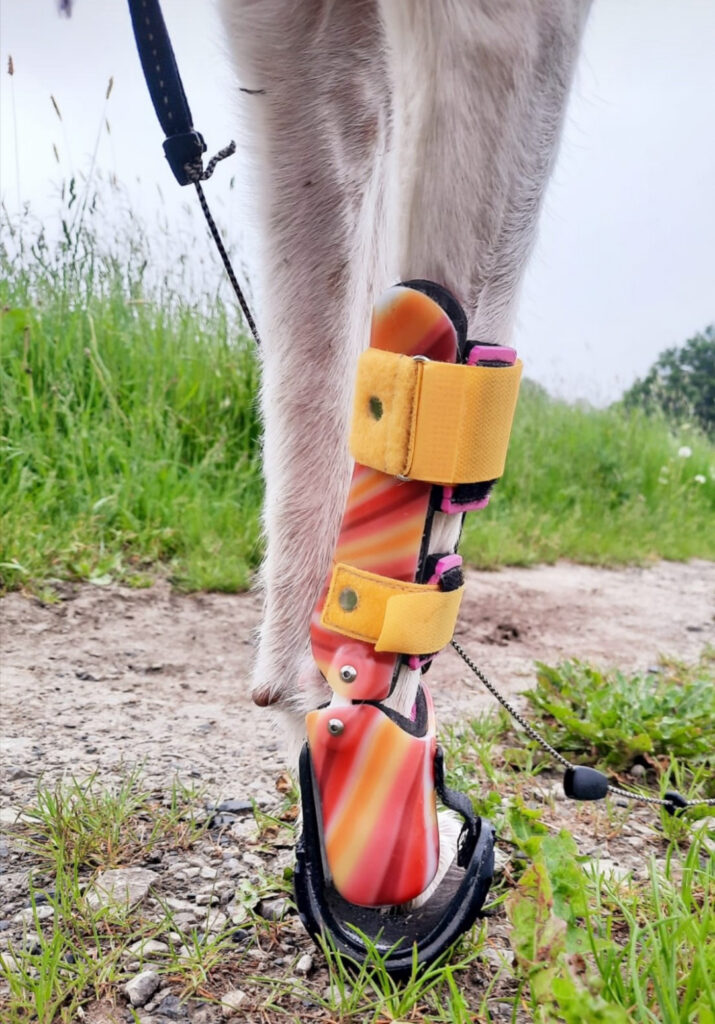
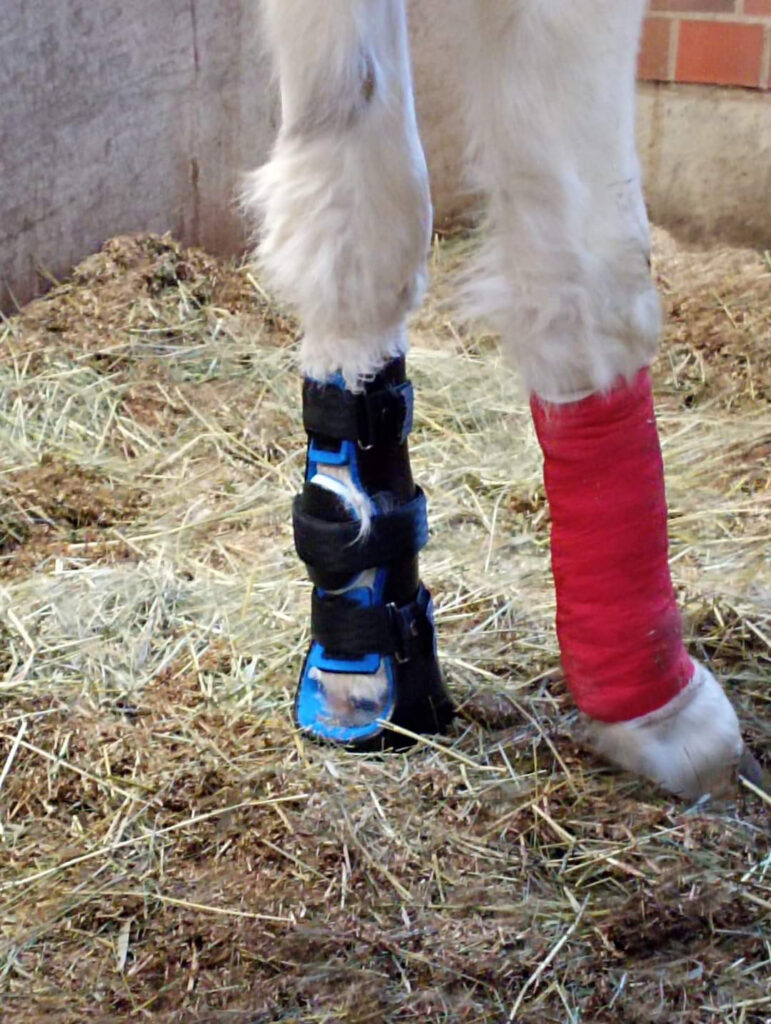
Humans have been able to be fitted with supports, prostheses, orthoses and wheelchairs for a long time. Since 2013, I have been offering a wide range of orthopaedic aids for animals.

I manufacture the aids for each animal individually according to measurements and plaster casts, just as I do for humans. Because every animal is just as individual and special as we are.

The aim of my work is to maintain, promote and restore the health and quality of life of your animal with the orthopaedic and rehabilitation aids I make.

Because of the abundance of different clinical pictures and injuries, a personal consultation and presentation of your animal is essential. A made-to-measure product hardly ever fits and often causes more problems than it helps. Collaboration with your vet and animal physiotherapist is also recommended to achieve the best possible results for your pet’s therapy.

For this reason, the three pillars of successful treatment for me personally are always:

  • Customised for the individual animal
  • Consultation with the vet and/or physiotherapist
  • Personal on-site consultation and fitting of the aids

To Tier Agil: https://www.tieragil.de

Neues Jahr, neue Vorsätze für ein gesundes Hundeleben
New Year, new resolutions for a healthy dog ​​life

The new year is here – for many people a time of good resolutions and reorientation. So why not give our dogs a positive start to the year too? With a few simple changes in everyday life, you can make a significant contribution to your dog’s health and zest for life. Below you will find suggestions for a healthy and fulfilling start to the new year for your dog.

More exercise – stay active together

Regular exercise is not only important for us humans, but also for our four-legged friends. Whether it’s long walks in the countryside, playtime with a favorite toy, or short training sessions: exercise keeps muscles and joints fit, strengthens the cardiovascular system, and prevents obesity. Shared activities also promote the bond between you and your dog.

Social Contacts: Why They’re Important for Dogs

Dogs are naturally social animals and benefit enormously from interactions with other dogs. In the new year, focus on allowing your dog to meet other dogs regularly. Whether at the dog park or on walks with neighborhood dog owners, these contacts are important for your dog’s social development and emotional well-being.

Conscious Nutrition – More Fresh, Less Processed Food

A healthy dog’s life begins in the bowl. Focus on high-quality, fresh ingredients, tailored to your dog’s individual needs. Fresh meat, vegetables, and healthy fats provide a good foundation. Dry food and heavily processed products often contain unnecessary additives and inferior fillers. Anyone who takes the time to check the food or even prepares it themselves is investing in their dog’s health.

Chew Materials: For Strong Teeth

A sensible addition to the food is natural chew materials such as dried meat strips, coffee tree wood, or rabbit ears with fur. They can help care for the teeth and provide species-appropriate exercise.

Regular Health Care

Prevention is better than cure. Schedule a thorough health check-up with your vet at least once a year. This way, potential problems can be identified and treated early. Close monitoring is particularly advisable for older dogs to ensure they have a pleasant retirement.

Optimal Support for Older Dogs

As they age, our dogs’ needs change. Make sure your dog gets enough rest, adapt walks and activities to their age, and provide an environment in which they feel comfortable. A balanced diet, valuable supplements, and loving attention contribute to maintaining quality of life even in old age.

Dogs accompany us with their zest for life and give us precious moments every day. A loving look, a walk together, or small rituals ensure that your dog starts the new year full of energy. Enjoy the time together and let good intentions become real habits – for a healthy and happy dog ​​life.

Product information: DOG FIT by PreThis® VITAMIN B + CARE senior🛒 – Premium supplementary food for dogs in an affordable set with carefully selected micronutrients. Free from genetic engineering and artificial additives. You can find more information here:

VITAMIN B + CARE senior in the shop

DOG FIT by PreThis® CARE senior & VITAMIN B
Der Golden Retriever Eric - Eine weihnachtliche Rettungsmission
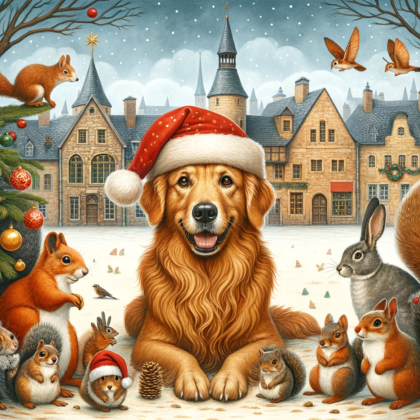
Golden Retriever Eric & the Christmas rescue mission

In a small village, hidden between snowy hills and dense forests, lived a dog named Eric. Eric was no ordinary dog; he was a brave, loving golden retriever with a heart as big as the shimmering snowflakes that fell gently to earth.

The village was preparing for Christmas, the most festive days of the year. Fairy lights adorned the streets and the smell of freshly baked biscuits filled the air. But something was different this year. A deep sadness had settled over the village because the Christmas market, the centrepiece of the festivities, had been destroyed by a strong storm.

Eric sensed the dejection of the villagers. He knew he had to do something to save Christmas. With his faithful gaze and wagging tail, he set off to find help.

Deep in the forest, he came across a group of woodland animals – squirrels, rabbits and even a wise old fox. Eric told them about the village’s plight. The animals, touched by Eric’s warmth and the spirit of Christmas, decided to help.

Together they collected pine cones and twigs to decorate the village square. The squirrels skilfully climbed into the trees to get the most beautiful branches, while the rabbits collected soft cushions of moss as decoration. The fox, with his experience, led the team.

When they had finished their work, the village square was transformed. It was as if nature itself had transformed the village into a Christmas wonderland. The villagers came out of their homes, drawn by the beauty and magic that Eric and his friends had created.

That night, the village square shone brighter than ever before. The stars twinkled in the sky as if they were celebrating the work of Eric and his friends. The villagers gathered together, singing Christmas carols and sharing biscuits and hot cocoa.

Eric sat amongst the people, surrounded by laughter and joy. He knew that this year he had received the best gift of all – the gratitude and love of his human pack.

As night fell and the lights of the Christmas tree glistened in the quiet snow, Eric knew that this Christmas would remain forever in the hearts of the villagers – a celebration of hope, cohesion and love, led by a dog with a big heart.

With this in mind, we wish you all a Merry Christmas with your loved ones.
Your team from DOG FIT

Myelopathie bei Hunden
Myelopathy in dogs


What is myelopathy in dogs?

Myelopathy describes diseases of the spinal cord that can lead to a variety of problems in dogs. Degenerative myelopathy (DM), which primarily affects older dogs, is particularly well-known. The spinal cord is responsible for transmitting nerve impulses between the brain and the body. When the nerve pathways are damaged, mobility, coordination, and sensitivity are often impaired.

Causes of Myelopathy

The causes of degenerative myelopathy are not always clearly understood. It is suspected that a genetic predisposition plays a role – German Shepherds, Collies, Bernese Mountain Dogs, Belgian Shepherds, Siberian Huskies, Borzois, Weimaraners, and Rhodesian Ridgebacks are particularly affected. However, other factors such as injuries, tumors, infections, or impaired blood circulation in the spinal cord can also trigger myelopathy.

Typical Symptoms: How Myelopathy Becomes Noticeable

The signs of myelopathy usually develop gradually. Typical symptoms include weakness in the hind legs and an unsteady gait. As the condition progresses, coordination problems, altered posture, muscle atrophy, and ultimately even paralysis can occur. Some dogs also exhibit behavioral changes or experience pain, especially in forms of myelopathy other than DM.

Diagnosis and Treatment Options

A reliable diagnosis is made by a veterinarian based on a neurological examination, imaging techniques such as X-rays, MRI, or CT scans, and, if necessary, genetic testing. Treatment depends on the cause: In degenerative myelopathy, the focus is on alleviating symptoms, as a cure is currently not possible. Physiotherapy, targeted exercise, aids such as dog harnesses or dog walking carts, and appropriate care are important. In some cases, medication or surgery may be considered.

Role of Diet and Micronutrients

A balanced diet is particularly important in myelopathy to support the body. B vitamins, in particular, play a central role in the normal function of the nerves. They are involved in the energy supply to the cells, contribute to the physiological transmission of impulses, and support general nerve function. Providing supplemental feed as needed can be beneficial.

Tips for everyday life with an affected dog

Living with a dog suffering from myelopathy presents a particular challenge. A structured daily routine, as much independence as possible, and loving support will help your dog feel more secure. Exercises and physiotherapy promote muscle strength and maintain mobility – as long as possible. Even small aids such as anti-slip mats, orthopedic dog beds, or carrying aids can make everyday life easier and maintain your dog’s zest for life.

Dogs greet us with their patience, zest for life, and their very own perspective on the world. Every moment with your dog is precious – enjoy the moments together and accompany your four-legged friend through every phase of life with calm, understanding, and confidence. This way, you can create beautiful memories together that will last.

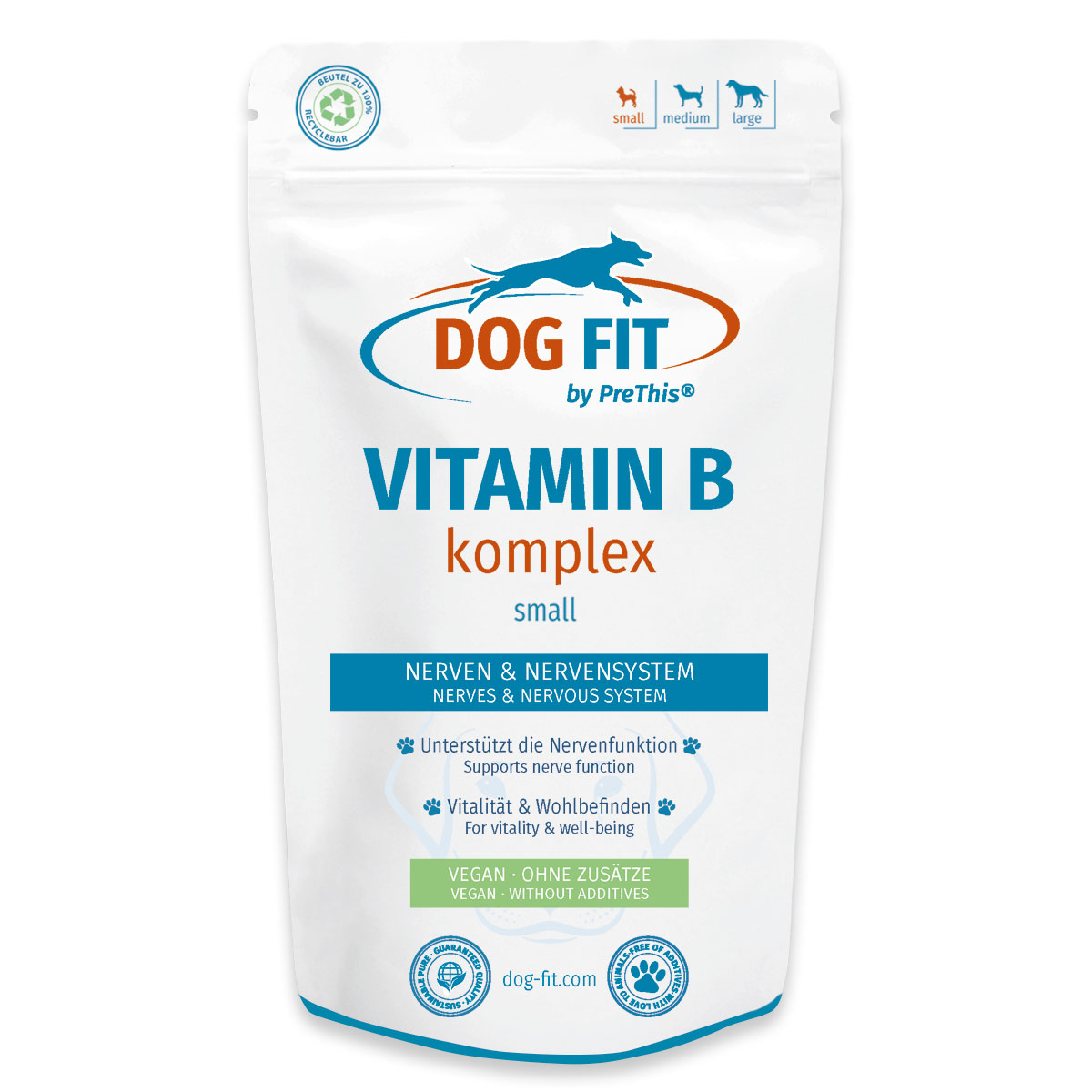
Product information: DOG FIT by PreThis® VITAMIN B 🛒 – Premium supplementary food for dogs. The recipe is tailored to your needs, vegan, and free from genetic engineering and artificial additives. You can find more information here:

VITAMIN B in the shop

DOG FIT by PreThis VITAMIN B
hund
Bake your own dog biscuits for Christmas - 3 recipes

Christmas is a time of togetherness, joy and enjoyment. While we humans enjoy festive treats, our four-legged friends shouldn’t be left out either. What could be better than serving dog cookies to our loyal companions this Christmas? In this article we present three delicious, healthy and, above all, grain and sugar-free recipes that are guaranteed to make your dog’s mouth water.

Recipe 1: Apple Cinnamon Cookies

Ingredients:

  • 1 apple
  • 2 cups coconut flour
  • 1 egg
  • 1 teaspoon cinnamon
  • Water as needed

Preparation:

  1. Peel, core and finely grate the apple.
  2. In a bowl, mix the grated apple, coconut flour, egg and cinnamon.
  3. Add water as needed until the dough has a kneadable consistency.
  4. Roll out the dough and cut out shapes with a cookie cutter.
  5. Bake at 180°C for about 25 minutes until the cookies are lightly browned.

Recipe 2: Pumpkin and cottage cheese thalers

Ingredients:

  • 1 cup pureed pumpkin (unsweetened)
  • 2 cups coconut flour
  • ½ cup cottage cheese
  • 1 egg

Preparation:

  1. Mix the pumpkin puree, cottage cheese, coconut flour and egg in a bowl to form a dough.
  2. Form small thalers and place them on a baking tray lined with baking paper.
  3. Bake at 180°C for about 30 minutes until firm and slightly golden brown.

Recipe 3: Liver sausage hearts

Ingredients:

  • 2 cups coconut flour
  • ½ cup liver sausage (without spices and additives)
  • 1 egg
  • Water as needed

Preparation:

  1. Mix the liver sausage, coconut flour and egg well in a bowl.
  2. Add water as needed to create a pliable dough.
  3. Roll out the dough and cut out cookies with a heart-shaped cookie cutter.
  4. Bake at 180°C for about 20 minutes.

With these three simple and healthy recipes you can treat your dog to dog cookies for Christmas. Each of these recipes is not only delicious, but also grain and sugar free, making them a healthy option for your four-legged friend.

We wish you and your faithful companion a wonderful and enjoyable Christmas time. May these homemade treats make the holidays just as special for your dog as they are for us humans. Merry Christmas!

Epilepsie beim Hund

Epilepsy is one of the most common neurological challenges in dogs and can have a significant impact on the lives of both dog and owner. However, with the right knowledge about triggers, signs, and supportive measures, much can be done to improve the quality of life of affected dogs. Here you will find all the important information on the topic of epilepsy in dogs – understandable, professionally sound, and practical.

Causes of Epilepsy in Dogs

The causes of epileptic seizures in dogs are varied, and not all of them have been thoroughly researched. Genetic factors often play a role – certain breeds are more susceptible. Other possible triggers include previous head injuries, diseases of the central nervous system (such as inflammation or infections), tumors, or even poisoning. In many cases, the exact cause unfortunately remains unknown – in which case it is referred to as idiopathic epilepsy.

Symptoms and Course

Epilepsy in dogs manifests itself in typical seizures, which can vary in severity. During a seizure, loss of consciousness, muscle twitching, tremors, drooling, and sometimes even the discharge of urine or feces may occur. A seizure usually lasts only a few seconds to minutes, and afterwards, the dog may appear briefly disoriented or exhausted. However, the intervals between seizures vary from individual to individual, ranging from rare to more frequent episodes.

Therapy & Support

The treatment of epilepsy should always be carried out in close consultation with a veterinarian. Medications are often used to reduce the frequency and severity of seizures. The correct dosage and regular monitoring are particularly important.

In consultation with a veterinarian or animal health practitioner, additional measures to support general well-being may also be helpful. Some dog owners report that a balanced diet and targeted supplementation of certain micronutrients, such as B vitamins (e.g., B1, B6, B12), can contribute to the normal functioning of the nervous system. Please note: Supplemental foods are intended as support, not as a substitute for necessary medical treatment.

Tips for everyday life

  • Note the frequency and duration of seizures to better assess their progression with your veterinarian.
  • Provide a quiet, safe place where your dog feels comfortable.
  • Exercise your dog regularly without overtaxing him.
  • Ensure a balanced diet and plenty of water.
  • Consult with experts before introducing new foods or supplements.

Conclusion

Although epilepsy is a serious diagnosis, with targeted care and appropriate support, your dog can lead an active and contented life. Remain vigilant and rely on professional guidance. Further information on epilepsy can be found at Wikipedia.

Whether rain, shine, or snow – dogs take life as it comes and enjoy each day in their own unique way. Perhaps that’s their greatest secret. Let it inspire you and discover new paths together with your dog.

Product information: DOG FIT by PreThis® VITAMIN B 🛒 – Premium supplementary food for dogs. The recipe is tailored to your needs, vegan, and free from genetic engineering and artificial additives. You can find more information here:

VITAMIN B in the shop

DOG FIT by PreThis VITAMIN B