

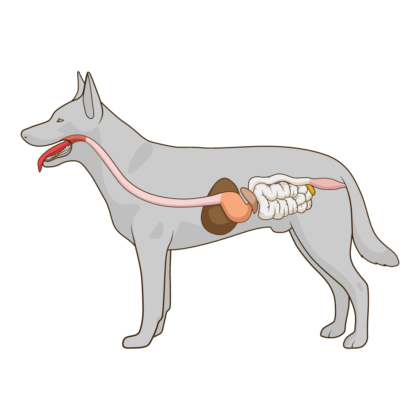
Introduction
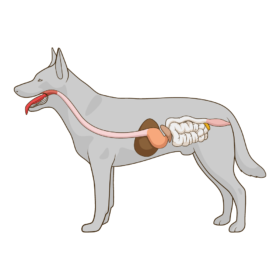
The term “leaky gut” refers to a disorder of the intestinal barrier in which the permeability of the intestinal wall is increased. Normally, the intestinal wall is covered with a layer of cells that lie closely together and form a protective barrier.
In a “leaky gut,” these connections between the cells are weakened or damaged, leading to increased permeability. Holes in the intestine—that doesn’t sound good at all! Leaky gut should be treated by a veterinarian or animal health practitioner so the dog can recover.
Leaky gut should be taken seriously, because the holes in the intestine can allow bacteria and other harmful substances from the intestine to enter the bloodstream. Unfortunately, the condition is often self-inflicted.
Important information for dog owners on the causes and symptoms of leaky gut in dogs can be found in the following article.
There are several factors that can lead to leaky gut, including:
- Nutritional errors: An inappropriate diet with products containing additives, preservatives, (hidden) sugar, and grains can lead to inflammation in the intestine and weaken the intestinal barrier. Dry food is generally a no-go! Not only does it have nothing to do with a fresh diet, dry food also stays in the intestines for far too long, which can damage the intestinal environment and be one of the causes of leaky gut.
- Stress: Chronic stress can disrupt the balance of intestinal flora and increase intestinal permeability.
- Medications: Certain medications such as antibiotics and anti-inflammatories can impair the intestinal flora and weaken the intestinal barrier.
Symptoms of Leaky Gut in Dogs
Leaky gut can manifest itself through various symptoms:
- Digestive Problems: Frequent diarrhea, slimy stools, flatulence, constipation, or irregular bowel movements can indicate a damaged intestine.
- Allergies and Intolerances: A weakened intestinal flora can lead to certain foods not being properly digested and not being tolerated by the body.
- Skin problems: Rashes, itching, eczema, and hot spots can be signs of a “leaky gut,” as inflammatory substances from the intestines can enter the body and trigger a reaction.
- Fatigue and lack of energy: A damaged intestine can impair nutrient absorption and lead to a lack of energy.
What to do about a leaky gut?
Treating a “leaky gut” usually requires a combination of different measures suggested by a veterinarian or animal health practitioner:
- Diet: A fresh, healthy, and balanced diet is crucial for intestinal health. It is important to choose high-quality dog food that is free from artificial additives, grains, and preservatives. A diet rich in lean meat, high-quality proteins, healthy fats, fiber, and probiotic ingredients can help improve gut flora and support the intestinal barrier.
- Probiotics and Prebiotics: Probiotics are live microorganisms that can support gut flora and restore the balance of good bacteria in the gut. Prebiotics are certain dietary ingredients that promote the growth and activity of probiotic bacteria. The addition of probiotic and prebiotic ingredients can help improve gut health.
- Stress Management: Chronic stress can negatively impact gut health. It is important to reduce stressors and provide your dog with a stress-free environment. Regular exercise, relaxation techniques, and mental stimulation can help reduce stress and support intestinal health.
- Natural supplements: There are various natural supplements specifically developed to support normal intestinal flora. These often contain a blend of specific probiotic and prebiotic nutrients.
The intestinal flora in dogs
The canine intestine is a living microcosm, populated by trillions of tiny organisms—bacteria, but also yeasts and fungi. This diverse community, the so-called intestinal flora or intestinal microbiome, is far more than just a passive accompaniment to digestion. It playsplays a central role in the health and well-being of dogs. A healthy, balanced intestinal flora not only supports the efficient breakdown of food and the absorption of important nutrients, but also forms a crucial protective barrier against harmful invaders.
The “good” intestinal bacteria compete with potentially pathogenic germs for resources and produce substances that inhibit the growth of unwanted microorganisms. Furthermore, the intestinal flora is closely linked to the immune system, trains it, and plays a key role in fighting off infections and regulating inflammatory reactions throughout the body. An imbalance in this complex community, known as dysbiosis, can disrupt the delicate balance and make the intestinal wall more susceptible to disorders such as the “leaky gut” described above. An unhealthy diet, stress, or medication can significantly shift this balance, thus opening the door to increased permeability and the associated health problems. Maintaining a healthy intestinal flora is therefore a fundamental building block for the long-term health and vitality of the dog.
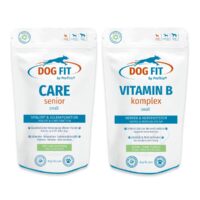
Product information: VITAL immun 🛒 – Natural supplementary food for dogs with carefully balanced micronutrients. Free from additives and genetic engineering. Discover now in the shop:
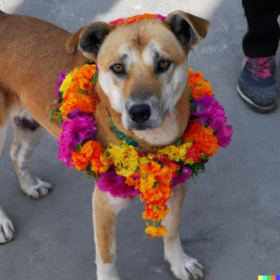
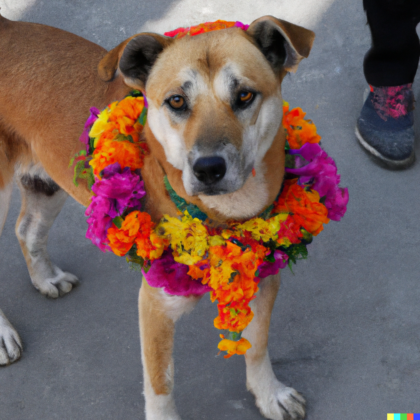 Kukur Tihar is a Nepalese festival celebrated in honour of dogs. It takes place every year in October or November and is an important part of Nepali culture. During the festival, dogs are honoured with flowers, tika (red colour) and delicacies such as milk, meat and rice. The festival lasts for five days and has a deeper meaning for the relationship between humans and dogs. Discover this wonderful festival with us.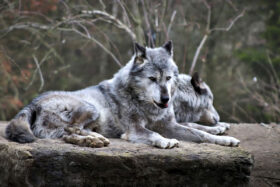
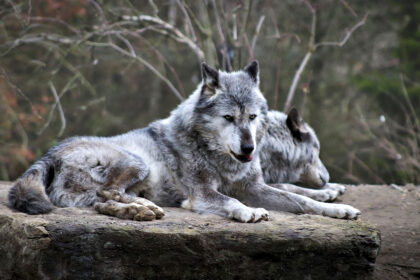 Considering that the dog is a direct descendant of the wolf, it may seem surprising how much the two species have diverged, at least visually, through breeding over the millennia. But still, many instincts, needs and nutrition (the difference in digestion between the dog and the wolf is only 1%) have remained. In this article we will explore the path of the wild wolf to the domestic dog as a companion for humans.
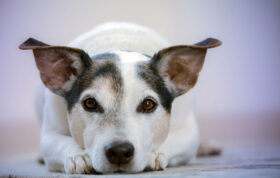
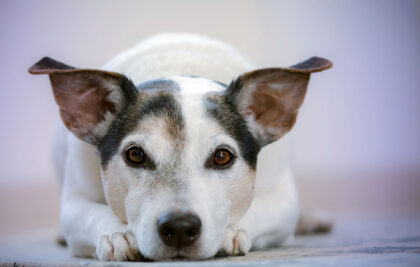 It is not uncommon for dogs from animal shelters to be fearful. Many of these dogs have experienced a traumatic event or were not properly socialised before coming to their new home. These experiences can cause a dog to become anxious and have a hard time building trust with other people.
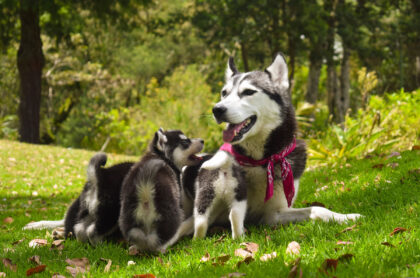 A false pregnancy, also known as pseudopregnancy, is a natural process that can occur in female dogs. In this condition, the dog shows symptoms that resemble pregnancy, even though she is not pregnant. The causes of false pregnancy can be diverse, but it often occurs when the dog’s body produces an increased amount of prolactin. Prolactin is a hormone that is normally produced during pregnancy and lactation.