Tierschutzhund Angsthund Geschirr anlegen

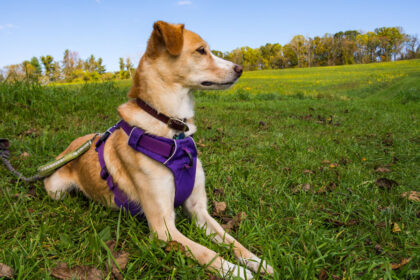
Animal Protection Dog Fear Dog Harness Put OnA harness for the animal protection dog – step by step to acceptance. For many shelter dogs or dogs with anxiety, putting on a harness can be a stressful process. But with patience and a sensitive approach, this challenge can be overcome.

In this article you will learn how to get your animal protection dog or fear dog to put on the harness in a relaxed way. Step by step, with a lot of patience.
(more…)

hunde welpen

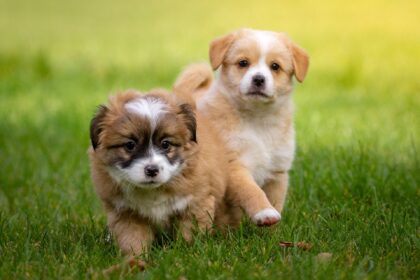
dog puppyAnyone who buys a dog must be aware that they are not buying an accessory, but a family member for many years. Depending on the breed, a dog can live up to 15 years, some even longer. The four-legged friends want to spend as much time as possible with their family. To ensure that everyday life with your new cold-nosed friend is truly harmonious and enriching, you should take your time when choosing the right animal. We have collected a few tips on what you should look out for when choosing a dog.

(more…)

Hund Allergie

Hund Allergie

When it comes to the health of our dogs, allergies and food intolerances are increasingly coming into focus. They are not uncommon in dogs and can affect various areas of life – from the skin and digestion to the respiratory tract. In this article, you will receive a comprehensive overview of allergies in dogs, the role of the immune system, intestines, and intestinal flora, as well as sensible measures for everyday life.

Allergies in dogs: A complex reaction of the immune system

Allergies in dogs arise when the immune system reacts oversensitively to otherwise harmless environmental substances (allergens). These substances can be found in food, pollen, dust mites, flea saliva, or other substances. The immune system then initiates a defensive reaction, which can be accompanied by a variety of symptoms. Allergies often occur spontaneously in dogs over the course of their lives.

Allergies or intolerance? The difference is important

Many dog ​​owners confuse allergies with intolerances. While allergies are an immunological overreaction, intolerance is usually caused by an enzyme deficiency or an intolerance – the immune system is not involved here.

  1. Allergy:
    • Immune reaction to an allergen, often with skin problems (itching, redness), digestive problems, and even breathing problems.
  2. Intolerance:
    • Usually affects digestion (e.g., lactose intolerance), leading to diarrhea, flatulence, or vomiting after contact with certain ingredients.

The treatment therefore differs: While allergies often require targeted allergen avoidance and support of the immune system, in the case of intolerances, avoiding the triggering substance is usually sufficient.

Food intolerance – a particular challenge

Food reactions are among the The most common form in dogs. The animal usually reacts to proteins of animal or plant origin or additives. Symptoms include persistent itching, reddened skin, recurring ear infections, and gastrointestinal complaints such as vomiting or loose stools. Chronic intestinal inflammation can also result.

In many cases, a switch to an individually tailored diet is essential to restore your dog’s well-being. Industrially produced foods – especially dry food – are generally unsuitable for this purpose. Consultation with an experienced canine nutritionist is recommended, as veterinarians often lack this important additional qualification – it is not a standard part of their training. A clear indication of this is when the vet recommends hypoallergenic or diet dry food, which they then often also offer themselves.

Symptoms of allergies: From the skin to the intestines

The signs of allergies are very diverse and individual:

  • Itching, redness, and scratching
  • Ear inflammation, recurring hot spots
  • Digestive problems (vomiting, diarrhea, flatulence)
  • Licking of paws, hair loss

Not every skin irritation is an allergy. Parasites, infections, or metabolic diseases can also cause similar symptoms.

Immune system, intestines, and intestinal flora – an inextricable connection

A healthy intestinal flora is central to the immune system and can significantly influence a dog’s susceptibility to allergies. Over 70% of immune cells are located in the intestines. If the intestinal flora is disturbed, this can lead to increased permeability of the intestinal mucosa (“leaky gut”) and promote allergies.

Important building blocks for a healthy intestine are a high-quality, species-appropriate diet and the targeted use of probiotic bacteria to support the intestine’s natural defenses.

Colostrum: Natural support for the immune system

Colostrum contains numerous bioactive substances such as immune factors, antibodies, and growth factors that can modulate the immune system and strengthen the intestinal flora. In addition to nutrients such as amino acids, vitamins and minerals, the probiotic bacterial strains it contains are particularly important: They help promote a healthy intestinal flora and thus strengthen the barrier function of the intestinal mucosa.

Colostrum is therefore a valuable supplement not only for puppies, but also for adult dogs with a tendency to allergies – of course always as part of an overall concept.

Everyday tips for dogs with allergies

  • Avoid allergens: Try to identify the triggersIdentify and avoid potential allergies as much as possible (e.g., certain foods, pollen seasons).
  • Adjust feeding: Choose high-quality, unprocessed ingredients wherever possible and ensure a varied, balanced diet.
  • Strengthen intestinal flora: Supplement the diet with probiotic foods or appropriate supplementary feed if necessary.
  • Check the environment: Keep sleeping areas clean, wash dog blankets regularly, and use special allergy covers for dust mites.
  • Regular grooming: Check your dog’s coat, ears, and skin to detect any changes early on.
  • Veterinary support: If allergies are suspected or if symptoms persist, a veterinarian or animal health practitioner should always be consulted.

Living with a dog enriches everyday life in a special way. Together, you experience many small and large adventures that make life more beautiful. Trust, care, and mutual understanding characterize the special bond between humans and dogs. Every day offers new moments of happiness and connection.

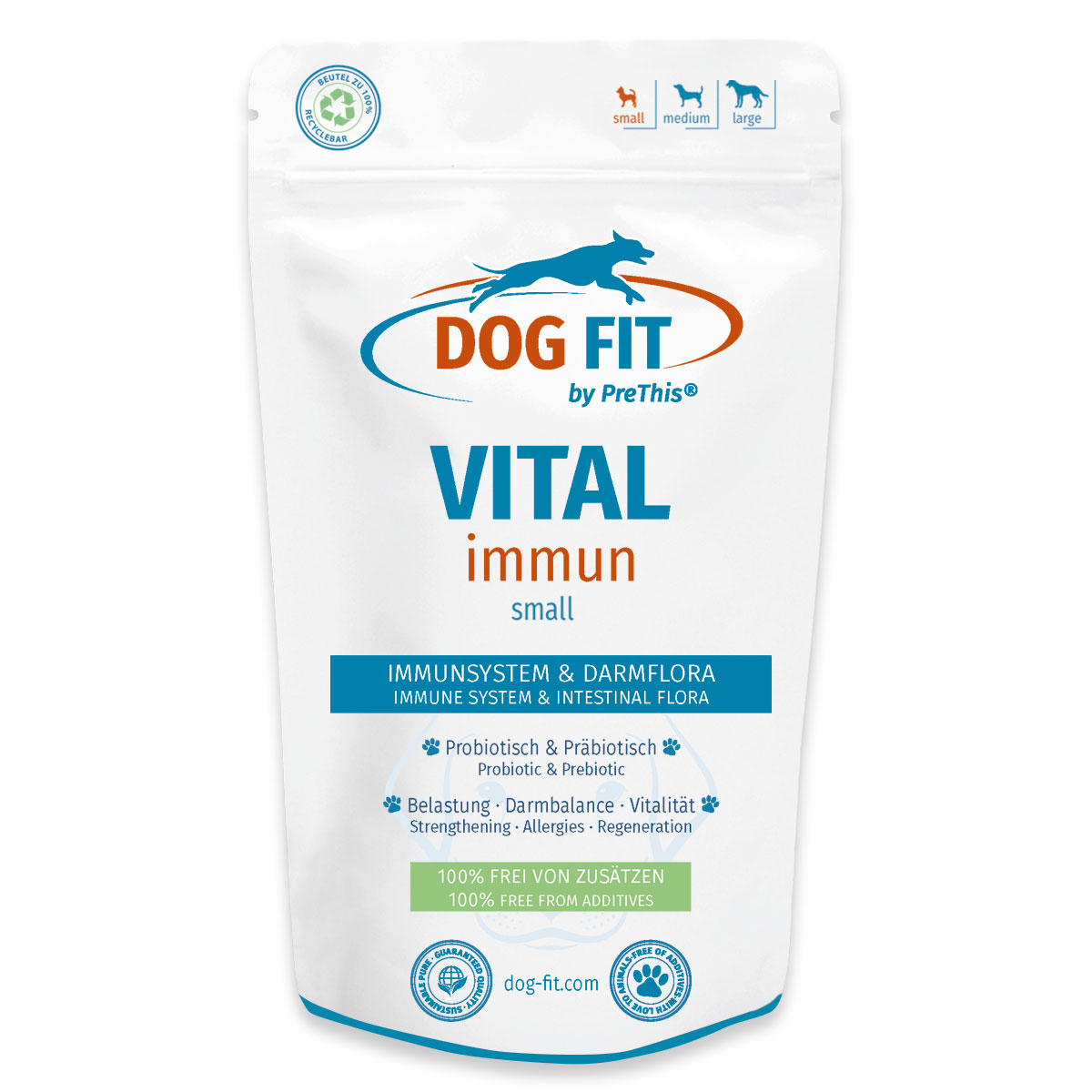
Product information: VITAL immun 🛒 – Natural supplementary food for dogs with carefully balanced micronutrients. Free from additives and genetic engineering. Discover now in the shop:Vital immun plus in the shop

DOG FIT by PreThis VITAL immun
Radius Curvus (Short-Ulna-Syndrom, Carpus valgus) beim Hund

Radius Curvus (Short Ulna Syndrome, Carpus Valgus) in Dogs

Introduction

When it comes to the health of our four-legged friends, it’s important to keep an eye on even rarer orthopedic diseases. Radius Curvus Syndrome – also known as Short Ulna or Carpus Valgus – often presents dog owners with particular challenges. Below, you’ll learn everything you need to know about causes, symptoms, diagnosis, and possible support measures.

What is radius curvus syndrome and how does it develop?

Radius curvus syndrome is a malformation of the forelimb in which the ulna (ulna) remains shortened and the radius (radius) develops in a curve. This can cause the elbow joint, and especially the foreleg, to deviate outward (carpus valgus). The causes are not fully understood; Genetic predisposition, trauma, infections, developmental disorders, feeding errors, or environmental influences during the growth phase can play a role.

Symptoms and Diagnosis

  • An abnormal gait, often walking on the inside of the foreleg
  • Pain and occasional lameness
  • Visible curvature of the foreleg (carpus valgus)
  • Limited mobility, problems running and jumping

An accurate diagnosis is made through clinical examination and imaging techniques such as X-rays or MRI to determine the extent and cause of the deformity.

Treatment Options

Therapy depends on the severity and individual nature of the deformity. In mild cases, conservative treatment can help – this includes weight control, pain management, targeted physical therapy, and appropriate loading. In severe cases, surgery may be considered to lengthen the radius or correct the misalignment. The decision to undergo surgery should be made jointly with an experienced veterinarian.

The Role of Micronutrients

A balanced diet and targeted supplementation with micronutrients can make an important contribution to supporting normal joint function. Specially combined nutrients such as glucosamine, collagen, MSM, and chondroitin are valued in animal nutrition because they contribute to the maintenance of cartilage, ligaments, and tendons. Administering these micronutrients according to needs should always be individualized and can help support the dog’s mobility and well-being.

Everyday Tips for Affected Dogs

A joint-friendly daily routine with adapted exercise, targeted physiotherapy exercises, and a non-slip, comfortable place to sleep is recommended. Regular veterinary checkups, weight control, and avoiding excessive exercise further support the management of radius curvus syndrome.

Dog and human share a unique bond characterized by mutual trust and care in everyday life. Small gestures, shared moments, and loving interaction create a strong foundation for a harmonious relationship. It’s worth consciously enjoying the time and remaining open to new paths. This way, the relationship grows and enriches the lives of both parties.

Product information: DOG FIT by PreThis® JOINTS elements 🛒 – Natural supplementary feed with carefully selected micronutrients. Free from genetic engineering and artificial additives. You can find further information here:JOINTS elements in the shop

DOG FIT by PreThis® JOINTS elements
DOG FIT by PreThis - Naturprodukte für Hunde

hund mit demenz alzheimer

Introduction

Dementia is a disease that can affect not only us humans, but also our dogs. It’s a gradual process: memory, orientation, learning ability – all of these can decline over time, and at some point, the somewhat distracted grandpa on four paws turns into a dog that can no longer even find its way around the garden. So-called cognitive dysfunction not only changes everyday life, but also the relationship with your four-legged friend.

The treatise on the “disease of forgetfulness.” This is what Dr. Alois Alzheimer, a neuropathologist and psychiatrist, called this previously little-researched disorder in 1906. It took almost a century for this topic to find its place in veterinary medicine. Today we know: dogs can also experience a loss of mental abilities – with symptoms very similar to those in humans. These changes are often dismissed as normal signs of aging, which explains why dementia in dogs is often only diagnosed late.

Cognitive dysfunction – more than just age-related forgetfulness

The so-called cognitive dysfunction syndrome (CDS), sometimes referred to as “canine Alzheimer’s,” usually only becomes apparent in old age. The structure of the dog’s brain changes: nerve cells die, connections fade – and everyday life becomes increasingly challenging for your dog. Interestingly, in larger dog breeds, the first symptoms often appear around the age of six, while in smaller dogs they usually appear a little later.

Whether and how quickly the disease progresses varies from dog to dog. Some four-legged friends live with mild symptoms for many years, while others deteriorate more quickly. On average, about one in four older dogs is affected, but there are many things you can do early on and as the disease progresses to make their life easier.

10 typical signs of early dementia

The signs often appear gradually and are sometimes so subtle that they are easy to overlook. Common symptoms include:

  • Disorientation: The dog gets lost more often, even in familiar surroundings, or appears disoriented.
  • Forgetfulness: The dog shows increasing forgetfulness, forgets familiar places or routines.
  • Disoriented eating behavior: The dog loses interest in food or forgets to eat.
  • Reduced response to familiar stimuli: The dog reacts less to familiar sounds or voices.
  • Less interaction: The dog withdraws, shows less interest in playing or interacting with other dogs.
  • Behavioral changes: Aggressive or fearful behavior may develop.
  • Reduced ability to learn: The dog has difficulty learning new commands or Tricks.
  • Changed sleep patterns: The dog is restless at night and shows increased activity.
  • Sleep changes: The dog sleeps less at night and is more tired during the day.
  • Uncontrolled urination or defecation: The dog can no longer control its excretion.

The causes of dementia in dogs

The causes are varied. In addition to the normal aging process, genetic factors, certain pre-existing conditions, brain injuries, medications, or environmental toxins are considered possible triggers. Some dog breeds, such as Golden Retrievers or Beagles, appear to be somewhat more susceptible. A cause cannot always be found—in this case, it is referred to as idiopathic dementia. However, it is thought that a number of factors may contribute, including:

  • Age: Dementia is an age-related condition that is more common in older dogs.
  • Genetics: Some breeds are more prone to dementia than others, for example, Golden Retrievers, Labrador Retrievers, and Beagles.
  • Injuries or Illnesses: Injuries or diseases of the brain can cause dementia.
  • Medications: Some medications can have dementia as a side effect.
  • Toxins: Toxins, such as B. Lead or arsenic.

What can I do for my demented dog?
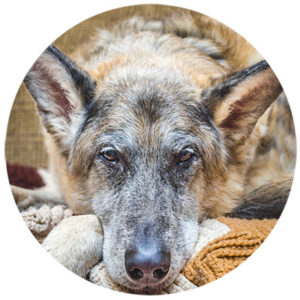
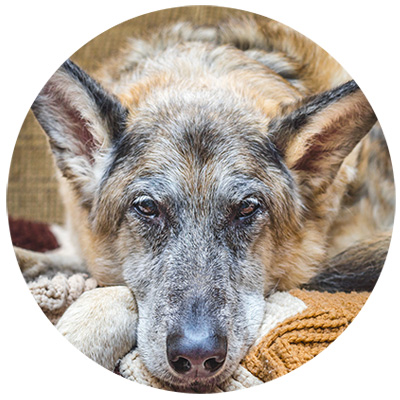
old dog with dementia

While there is no cure, you can do a lot to best support your dog:

  • Structured daily routines: Fixed rituals and clear routines help them find their way and avoid insecurities.
  • Mental and physical activity: Small search games, walks, nose work, and new impressions keep the brain fit.
  • Loving communication and patience: Positive reinforcement, a calm word, and petting provide security and build trust.
  • Adapted environment: A safe place to retreat, easily accessible bowls, non-slip surfaces, and soft lighting are worth their weight in gold.
  • Regular veterinary care: Check-ups help detect changes early and respond to individual needs.

Micronutrients and nutrition – what is important?

A balanced, Age-appropriate nutrition forms the basis for well-being and joy of life. Scientific findings indicate that certain micronutrients, such as B vitamins, can contribute to the normal function of nerves and the brain. They support many metabolic processes and energy metabolism – especially in old age.

Another interesting aspect: A balanced homocysteine ​​level can have a beneficial effect. A level that is too high is considered a risk factor, so it is advisable to check nutrient supply with your veterinarian.

An important point that is often underestimated

Diet lays the foundation for a long and healthy dog ​​life. From the very beginning, you should ensure that your dog’s diet is fresh, high-quality, and tailored to his needs. Simply opening the food bag and pouring dry kibble into the bowl won’t meet the needs of most dogs. Scientific studies, such as the A study by Lippert and Sapy impressively shows: Dogs fed primarily dry food or other processed foods have, on average, a life expectancy up to 32 months shorter than their counterparts fed fresh, balanced food. Your dog will thank you if you offer them natural, high-quality food every day.

In conclusion: Dogs accompany us with their inimitable loyalty, their zest for life, and their ability to find the beauty in everyday life, even in difficult times. Enjoy every day together, create small rituals, and give your dog a sense of security—especially in old age. This makes the bond between humans and dogs particularly strong.

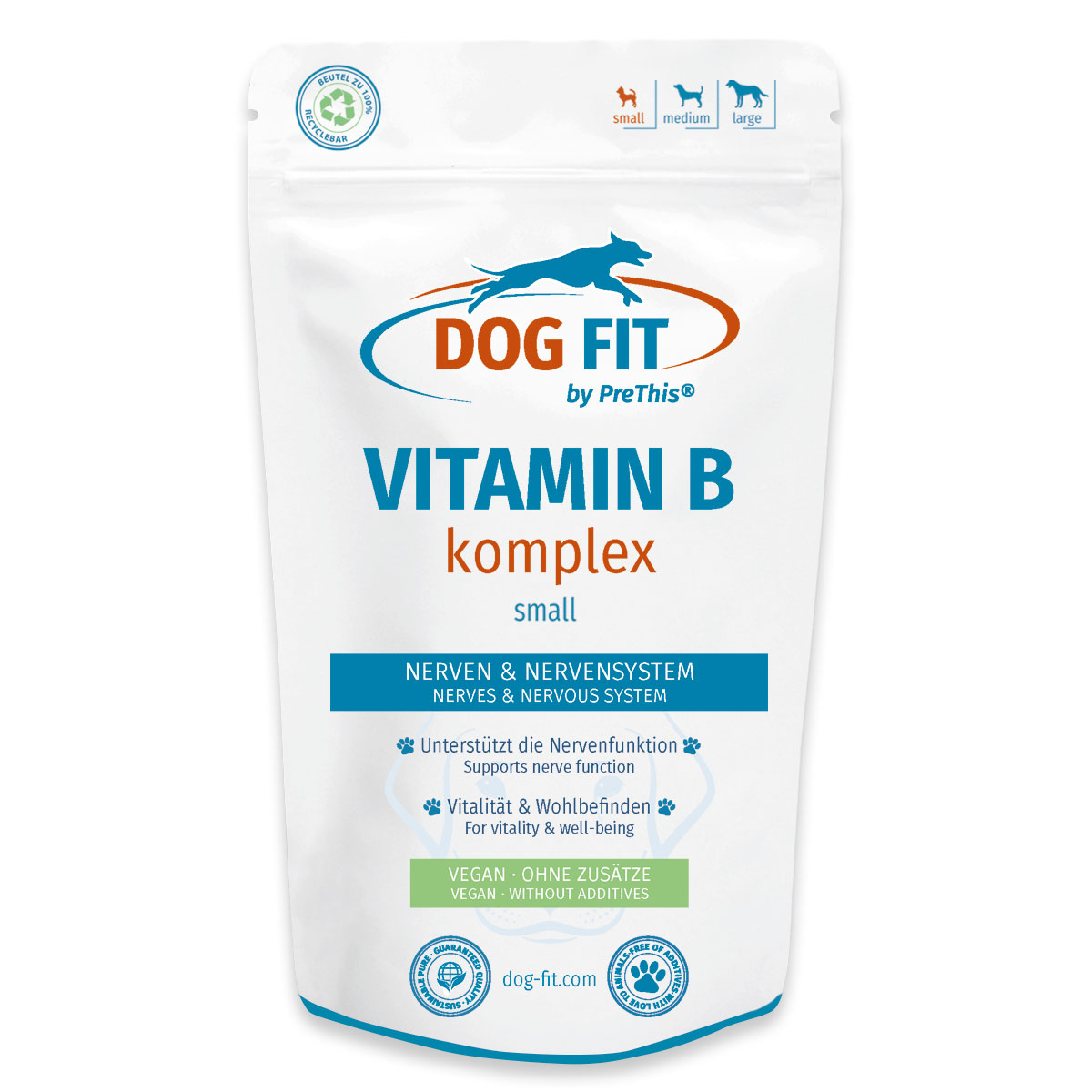
Product information: DOG FIT by PreThis® VITAMIN B 🛒 – Premium supplementary food for dogs. The recipe is tailored to your needs, vegan, and free from genetic engineering and artificial additives. You can find more information here:

VITAMIN B in the shop

DOG FIT by PreThis VITAMIN B
Hund Bandscheibenvorfall

Hund Intervertebral Disc Herniation

Introduction

A herniated disc is a serious condition in dogs that can lead to severe pain, mobility problems, or even paralysis. A bulging or damaged disc presses on the spinal cord or exiting nerve roots.

Below, you will learn how a herniated disc can manifest itself, what causes and treatment options there are, and how you can best support your dog.

Different Types of Herniated Discs

  • Prolapse: Part of the disc protrudes between the vertebrae and presses on nerves.
  • Extrusion: Parts of the disc protrude completely from the vertebra and cause pressure.
  • Sequestration: Torn-off disc fragments migrate into the spinal canal.

Causes of a Herniated Disc

Certain factors increase the risk:

  • Age: Older dogs are more frequently affected.
  • Breed: Dog breeds with long backs and short legs (e.g., Dachshunds, French Bulldogs), but also German Shepherds, Retrievers, and other larger breeds, show an increased Susceptibility.
  • Obesity: More weight puts strain on the spine.
  • Injuries & Accidents: Falls or other accidents can trigger a herniated disc.
  • Symptoms of a Herniated Disc

Symptoms of a Herniated Disc

Symptoms vary depending on the severity and location:

  • Back pain, tenderness to touch
  • Lameness or weakness in the hind legs
  • Coordination problems or numbness
  • Incontinence
  • Problems walking, standing, or jumping

If you notice one or more of these symptoms in your dog, please consult a veterinarian promptly.

Treatment Options

Treatment depends on the severity. Mild disc herniations can often be treated conservatively, for example through:

  • Rest and controlled exercise
  • Physiotherapy to promote muscle strength and mobility
  • Pain management (under veterinary supervision)
  • Weight control

In severe cases, such as permanent paralysis, surgery may be necessary to relieve pressure on the nerves. If in doubt, a second veterinary opinion is recommended.

The role of micronutrients

A targeted supply of micronutrients can support recovery. Nutrients such as glucosamine, collagen, and MSM, as well as various B vitamins, are valued in animal nutrition because they contribute to the normal function of the musculoskeletal system, intervertebral discs, and nerves. These micronutrients support the recovery of intervertebral disc tissue, support the regeneration of nerve structures, and can help restore the dog’s mobility. Supplementation should always be tailored to the needs of the dog and in consultation with experts.

Everyday tips for affected dogs

  • Ensure sufficient rest and create a non-slip, soft place to lie down.
  • Introduce your dog to exercise carefully and gradually – ideally under physiotherapy guidance.
  • Avoid strenuous activities such as jumping or climbing stairs.
  • Monitor body weight to relieve pressure on the spine.
  • Schedule regular check-ups with the veterinarian to monitor development.
  • Support recovery with a balanced, high-quality diet.

The relationship between human and dog thrives on trust, care, and shared experiences in everyday life. Small gestures, attentive observation, and loving companionship shape coexistence and strengthen the bond. Conscious moments of peace and joy contribute to the long-term well-being of both dog and human.

Product information: DOG FIT by PreThis® JOINTS + VITAMIN B 🛒 – Premium supplementary feed with selected micronutrients in an affordable combo set. Free from genetic engineering and artificial additives. You can find more information here:

Go to the JOINTS + VITAMIN B combo set in the shop

DOG FIT by PreThis JOINTS & VITAMIN B Komplex Kombi-Set
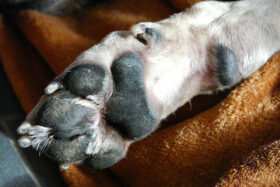
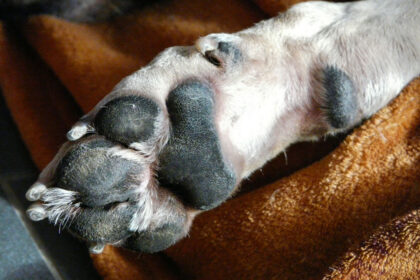
Hundepfote - Krallenschneiden

Dog Paw - Nail TrimmingClaws play an important role in a dog’s life. They are not only used for running, but also allow, for example, digging and scratching. But you can do a lot more, I’ll get to that in a moment. It is important to groom your dog’s nails regularly and trim them if necessary. In this article you will learn everything you need to know about clipping dogs’ nails, including instructions, tips and recommendations.

(more…)

hund mit juckreiz

hund mit juckreiz

Introduction

Itching in dogs is a widespread problem that can be stressful not only for the affected animals but also for their owners. The reasons for this are varied – from allergic reactions to parasitic infestation or nutritional intolerances. In this guide, you’ll learn how to identify the causes and what support options are available.

Causes of Itching in Dogs

The causes of itching range from food allergies, flea or mite infestations, fungal infections, bacterial skin inflammation, dry skin, or psychological triggers. Environmental factors such as pollen or house dust mites can also trigger allergies. To specifically relieve itching, the exact cause should first be determined. A thorough examination by a veterinarian with appropriate tests and regular follow-up checkups is essential.

The Role of Diet in Itching

Feeding is often a decisive factor. Industrially produced dry and wet food (approximately 90% is industrial food) often contains artificial additives, colorings, flavor enhancers, and preservatives, which can irritate sensitive dog skin and promote allergic reactions. Even so-called hypoallergenic and diet foods are not always free of problematic ingredients. These are generally not a good option – nutrition for itching, intolerances, etc., should be handled by a nutritionist. Veterinarians who recommend dry food in such cases should be avoided, as they obviously lack this important additional qualification. Switching to high-quality, fresh wet food or home-cooked rations according to a nutritional plan can often noticeably improve skin health. If a food intolerance is suspected, an elimination diet can help identify the trigger.

For information on dealing with veterinarians, please read the following book: “Dogs Would Live Longer If…”, Black Book of Veterinarians by Dr. Jutta Ziegler, available e.g., on Amazon.

If an infection or parasite infestation is present, the veterinarian will use targeted medical measures such as special shampoos, creams, or medications. A visit to a veterinary naturopath is generally advisable, as medication is often unnecessary. Regular skin care and gentle cleansing can also help alleviate symptoms. If you are unsure or if itching persists, it is important to seek veterinary or veterinary medicine advice and not to experiment on your own.

The role of nutrients and micronutrients for skin and coat

A balanced diet with essential fatty acids (such as omega 3, 6, and 9), high-quality proteins, zinc, and biotin plays a crucial role in maintaining a healthy skin barrier. These nutrients support the skin’s moisture retention, contribute to natural regeneration, and can help reduce inflammatory processes. Secondary plant substances and antioxidants, which are found in various ingredients, including medicinal mushrooms, can also have a positive effect on the skin’s appearance. For dogs with recurring skin problems, as mentioned, it is recommended that a specialized nutritionist create a customized feeding plan for them.

Everyday Tips for Itchy Dogs

  • Ensure gentle, regular coat and skin care.
  • Reduce stress factors, as these can also affect the skin’s appearance.
  • Provide a clean, low-allergen environment.
  • Observe your dog’s reaction to different foods and keep a food diary if necessary.
  • Support your dog with sufficient exercise and fresh air.

You and your dog: In the everyday life of dog and human, patience, attention, and loving interaction are valuable companions. Small routines, conscious breaks, and shared experiences contribute to strengthening well-being on both sides. This builds trust and a bond in daily interactions.

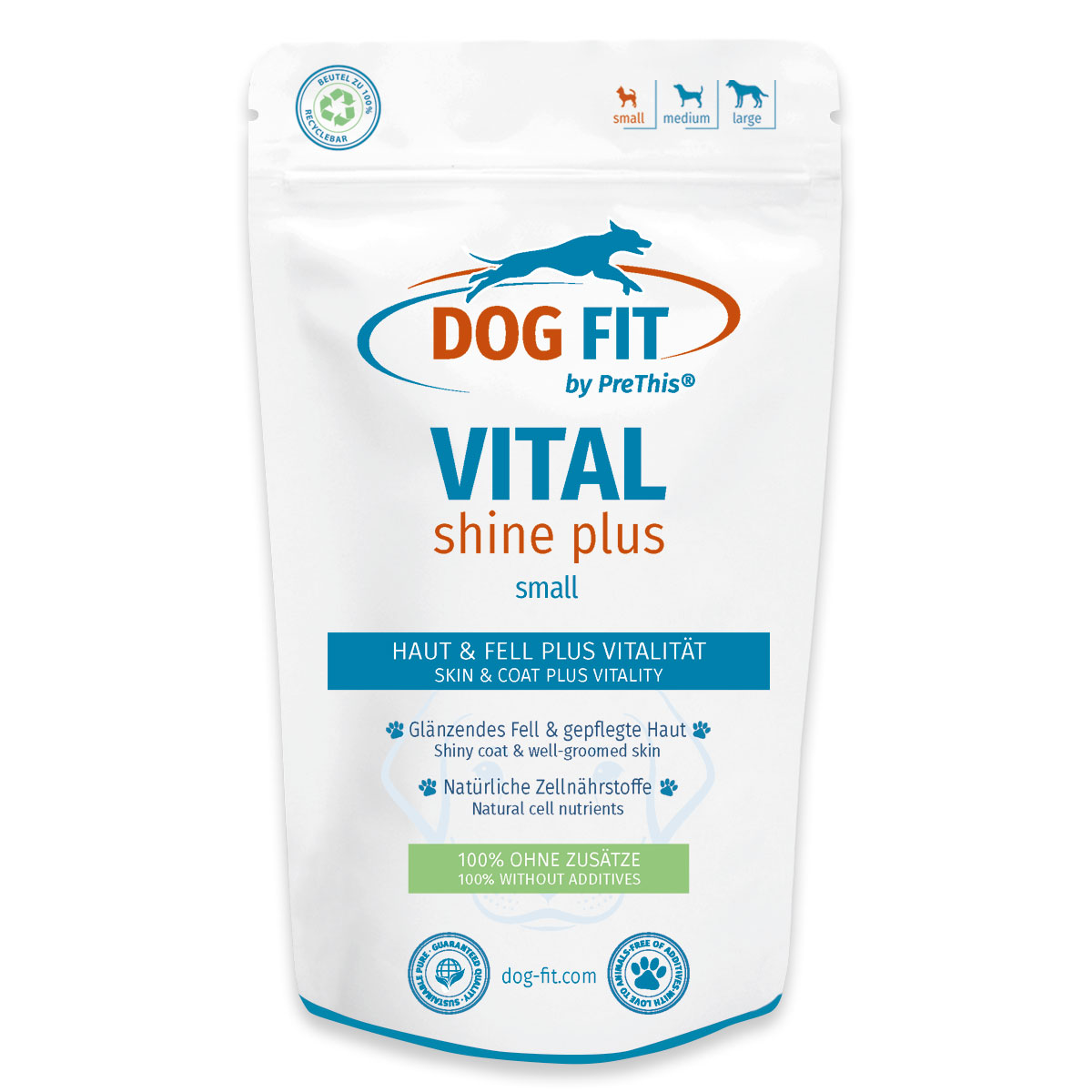
Product information: DOG FIT by PreThis® VITAL shine plus 🛒 – Natural supplementary food for dogs with carefully balanced micronutrients. Free from additives and genetic engineering. Discover it now in the shop:

Vital shine plus in the shop

DOG FIT by PreThis VITAL shine plus
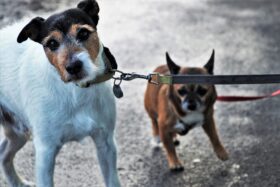
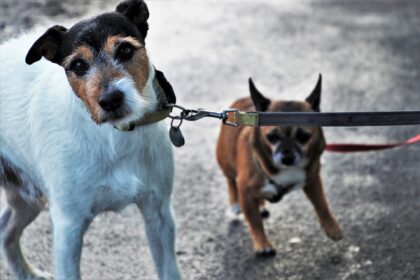
Hund zieht an der Leine

Dog pulls on leashLove your dog but you’re sick of him pulling on the leash and dragging you everywhere? Are you wondering why he is doing this and how can you break him of the habit? Then you are right here. In this article you will learn what the most common causes of leash pulling are and how to train your dog to walk relaxedly at your side.

(more…)